

The question I find most compelling in Once There Were Wolves is how far compassion can be trusted when it becomes inseparable from the need to protect. Charlotte McConaghy gives that question considerable force through a woman whose capacity to feel suffering is unusually acute, but whose judgement remains fallible. It's a rich foundation for a novel about conservation, sisterhood and the difficult business of living alongside creatures whose behaviour can't always be predicted. Humans included.
Inti Flynn arrives in the Scottish Highlands with her twin sister, Aggie, and a team tasked with reintroducing fourteen wolves to the landscape. The project promises ecological renewal, but the farmers who fear for their livestock have pressing concerns of their own. Inti also carries responsibilities that extend well beyond her work: Aggie's living with the aftermath of severe trauma, and the sisters’ relationship has become organised around her care. When a local man dies, suspicion threatens the wolves and tests Inti’s loyalties.
McConaghy’s attention to the animals gives the novel much of its distinction. The wolves have temperaments, attachments and vulnerabilities; their movements through the landscape create stories worth following in their own right. Their survival depends on intricate relationships within their packs and on the decisions of people who might never see them. Giving them this individuality makes the stakes of the reintroduction immediate. An argument about biodiversity becomes a concern for particular lives.
The landscape has a similar presence. Forest, weather and distance shape what the characters can do, how much they can know and the risks they take. I'd place this among the book’s strongest achievements: its atmosphere emerges from the practical conditions of the story as much as from descriptive prose. The Highlands offer beauty and possibility, but also exposure, isolation and danger. McConaghy makes belonging to such a place feel like a relationship requiring attention and humility.
Inti is a fittingly difficult guide to it. Her mirror-touch synaesthesia means that witnessing physical sensations can cause her to experience them herself, and McConaghy uses this to give empathy an almost unbearable intimacy. What interests me is the distance between that sensitivity and the choices Inti makes. Feeling pain so intensely doesn't leave her patient, accommodating or reliably fair. Her fear for those she loves can narrow her perspective, and her determination to prevent harm can produce harm of its own. That contradiction gives her character substance.
Her bond with Aggie develops the same concern on a more intimate scale. Childhood memories and later experiences gradually explain the sisters’ dependence on one another, while their present circumstances expose its costs. Care can give a life purpose and consume the space in which any other purpose might grow. The relationship is particularly effective when McConaghy allows devotion, guilt and resentment to coexist without making any one of them the final explanation.
The novel is also attentive to the accommodations communities make around violent men. Threats become something other people have to manage; a woman’s safety becomes contingent on keeping the peace. Alongside the public anxiety about wolves, these domestic realities give the book’s concern with danger a disturbing specificity. McConaghy asks whose behaviour is scrutinised, whose suffering is tolerated and how readily familiarity can be mistaken for safety.
That material warrants a clear caution. The book depicts graphic rape involving multiple perpetrators, domestic abuse and coercive control, alongside severe trauma and its aftermath. Animal suffering is also substantial: wolves and other animals are killed, mutilation is described, and a pet dog dies violently. Childhood abuse, dementia, traumatic childbirth and an implication of suicide add to its emotional demands. These elements occupy significant space in the story; the conservation premise shouldn't be taken as an indication of a gentle nature novel.
My reservations concern the pressure placed on the human plot. The mystery, romance, family history and pregnancy storyline give a relatively compact novel a lot to carry. There are points where the accumulation of crises risks overwhelming the quieter psychological work. The romantic relationship has less room to acquire the texture of the sisters’ bond, while some later developments ask for considerable latitude on plausibility. The emotional intention is clear, but the movement towards resolution is less persuasive than the patient observation that makes the wolves so convincing.
Those limitations leave room for admiration. McConaghy brings ecological questions into close contact with the private obligations of love, and gives Inti enough moral difficulty to prevent compassion from becoming an easy virtue. Four stars feels appropriate for a novel with this much atmosphere, ambition and emotional force, even where its plotting becomes strained. Its most enduring question is a demanding one: how can someone protect what she loves while accepting that love does not give her complete understanding—or the right to decide everything on its behalf?
Genre
Literary fiction / ecological fiction / mystery


Where to Buy Once There Were Wolves by Charlotte McConaghy
📚 Amazon
Affiliate Disclosure
As an Amazon Associate, I earn from qualifying purchases. If you purchase through my Amazon affiliate links, I may receive a small commission at no additional cost to you. I also encourage supporting Australian booksellers such as QBD Books, independent booksellers, and self-published authors whenever possible.

Danielle Robinson is a literary critic and writer whose work explores literature through the
lens of atmosphere, memory, culture, and emotional experience.
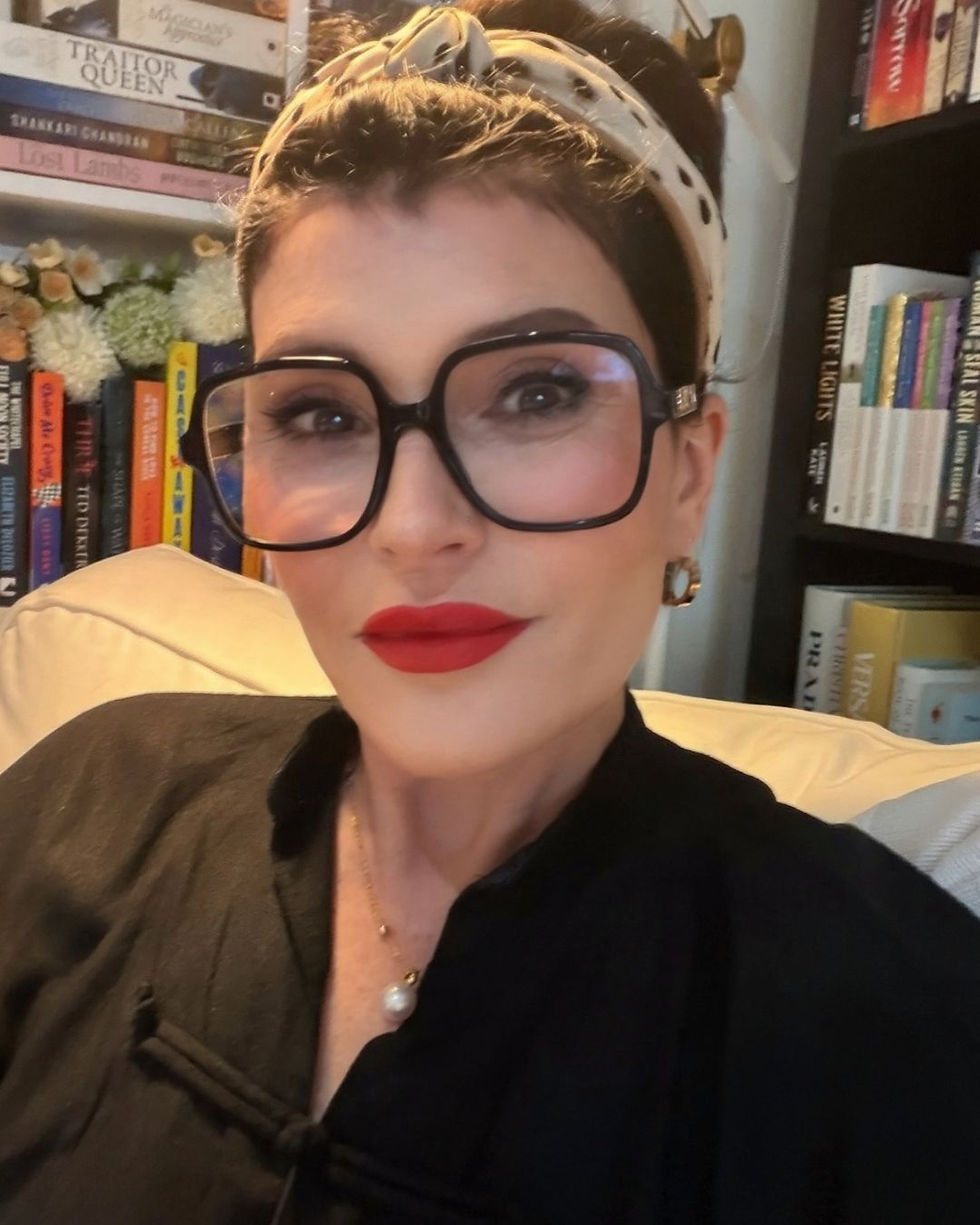
Holding a double degree in philosophy and theology, she combines academic insight with a deeply refined aesthetic sensibility shaped by more than three decades working across the creative industries as an internationally published, multi-award-winning makeup artist, fashion stylist, and interior stager.
She reads widely and rigorously, reading and reviewing more than 200 books each year as both an ARC reader and commissioned critic. Through Silk & Sentences, Danielle approaches literature as something immersive and lived with — not simply stories to consume, but works that shape the way we think, feel, and move through the world.
She writes from her semi-rural Queensland home, where she lives with Alex, her husband of 33 years, their dogs Oscar and Paige, and an ever-growing library of books.


Comments